

Healthy Airflow Design
The Benefits
The benefits of repairing, sealing and insulating your ductwork are significant. First, it can lead to a noticeable reduction in energy bills, as sealed, insulated ducts help maintain the desired temperature in your home, reducing the workload on your HVAC system. This efficiency can prolong the lifespan of your equipment and reduce the need for repairs. Additionally, insulated ductwork can improve indoor air quality by minimizing dust and allergens that can enter the airflow due to leaks. Overall, investing in ductwork insulation contributes to a more energy-efficient, comfortable, and healthy living environment.

Duct Sealing
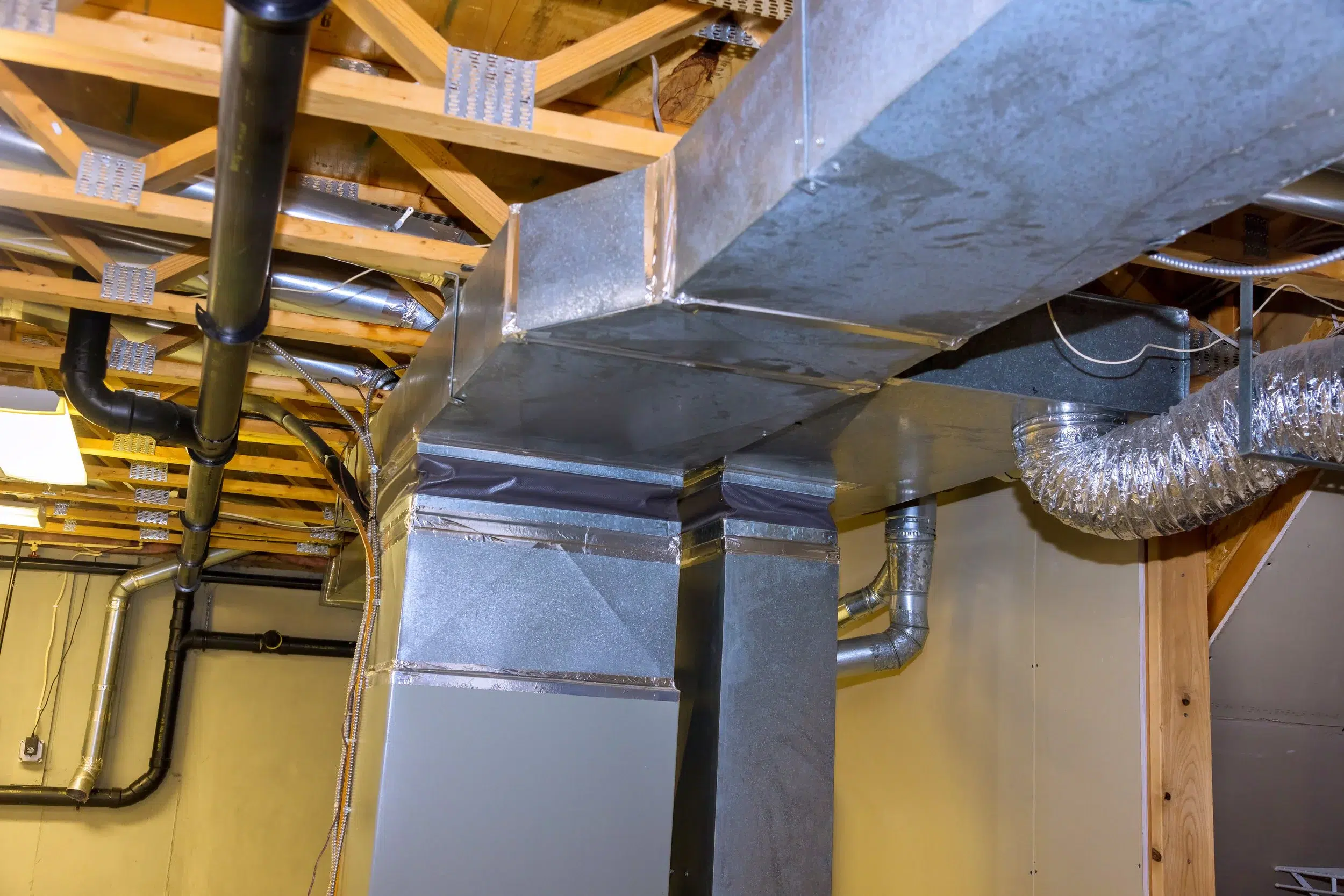
Ducts carry air from your heating and cooling system to different rooms throughout your home. Over time, leaks can develop due to age, rodent damage, or natural settling. According to EnergyStar.gov, “In a typical house, about 20 to 30 percent of the air that moves through the duct system is lost due to leaks, holes, and poorly connected ducts. The result is higher utility bills and difficulty keeping the house comfortable, no matter how the thermostat is set.” Duct sealing closes these leaks and gaps, preventing heated or cooled air from escaping. Using methods such as mastic—a durable, non-hardening sealant—and foil tape to seal seams and connections, this process keeps conditioned air inside your ducts where it belongs. The result is a more efficient HVAC system that lowers energy costs, maintains consistent indoor temperatures, improves air quality by keeping out dust and pollutants, and extends the life of your heating and cooling system.

Reliable Air Circulation
Duct Insulation
Insulation around ductwork is a crucial component in maintaining the efficiency of heating and cooling systems. This may include wrapping fiberglass batts with or without a vapor barrier or spraying foam insulation directly onto the ducts. Properly insulated ducts help to minimize heat loss in the winter and prevent heat gain in the summer, ensuring that conditioned air reaches its intended destination without unnecessary energy loss. This insulation not only enhances the performance of HVAC systems but also helps to reduce noise levels from the ducts, contributing to a more comfortable indoor environment.